Services
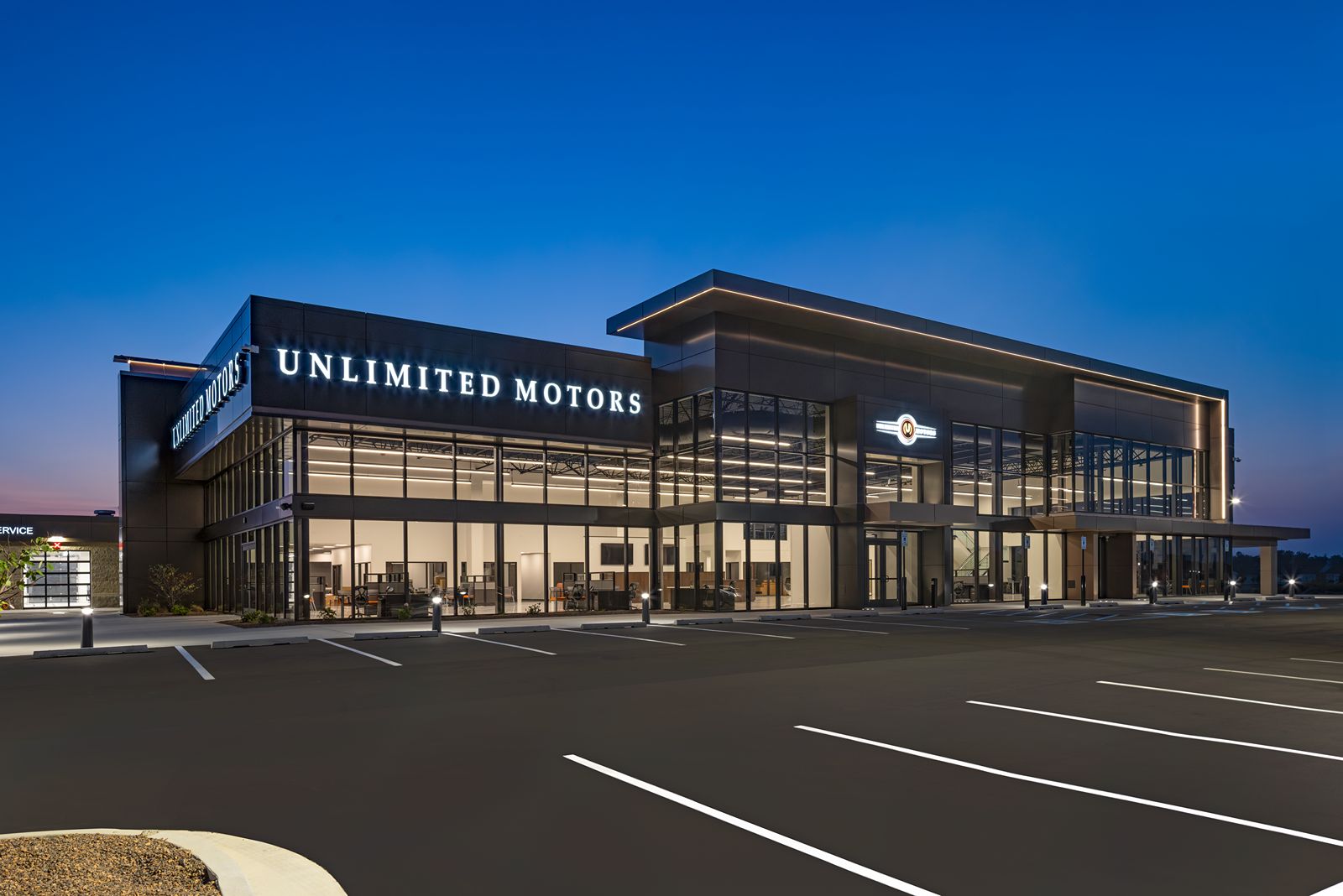
Stockton Auto Center on Auto Center Drive in Stockton concentrates multiple franchises - including Chevrolet, Honda, and Kia - in a single high-volume retail automotive corridor that serves the San Joaquin Valley's large and growing population. The dealerships in this corridor operate in a climate defined by extreme summer heat and concentrated winter rainfall, with California's Title 24 energy compliance requirements applying to any significant roofing work on these high-traffic retail facilities.
Showroom roofing at Stockton dealerships faces a demanding combination of factors: California Title 24 cool-roof mandates, the Valley's extreme summer heat, and the architectural requirements of major automotive brands that use showroom design to establish retail identity. Title 24 requires minimum solar reflectance and thermal emittance values when more than 50 percent of a roof assembly is replaced, making white TPO or PVC the practical specification standard for Stockton dealership projects. On a showroom where interior climate control maintains 72°F for customer comfort while ambient temperatures outside reach 105°F, a compliant reflective membrane can reduce roof-deck temperature by 50 to 60 degrees, directly reducing the peak cooling load that drives utility costs during Stockton's long summer season.
Skylights at Stockton dealerships face intense UV radiation from the San Joaquin Valley's clear summer skies. Polycarbonate dome skylights without UV-protective coatings degrade and yellow within 7 to 10 years in Stockton's UV environment - faster than in cooler or cloudier markets. Acrylic skylights with UV stabilizers perform better but still require inspection every three to five years for crazing or discoloration. Glass skylights are increasingly common in premium franchise showrooms because they are not subject to the UV degradation that affects plastic dome systems, though they require seismically rated framing in compliance with California Building Code seismic requirements for San Joaquin Valley locations.
Service department roofs at Stockton dealerships carry the full load of automotive service infrastructure - exhaust penetrations, rooftop HVAC, compressed air, hydraulic systems - in a climate where summer rooftop temperatures regularly exceed 160°F on membrane surfaces and Cal/OSHA heat illness prevention requirements apply to any outdoor worker. Contractors performing service agreements or re-roofing work on Stockton dealership service roofs during summer must comply with California's heat illness prevention standard: water, shade, and rest periods are required when temperatures exceed 80°F, and a written heat illness prevention plan must be in place for outdoor work at elevated temperatures.
The San Joaquin Valley's seismic environment requires that all rooftop equipment on Stockton dealerships be anchored with seismically rated curbs designed to California Building Code spectral values for the region. Stockton's location in the Central Valley places it at moderate seismic risk relative to the California, but the code requirements still mandate engineered seismic anchorage for rooftop mechanical equipment. Re-roofing projects that include HVAC replacement should address seismic anchorage as part of the mechanical scope to avoid the cost of a separate mobilization.
California's atmospheric river precipitation events create intense but concentrated winter rainfall on Stockton dealership roofs. Drain systems sized only for average annual precipitation are inadequate for the peak intensities that atmospheric rivers produce, and flooding of service bay interiors from roof drain overflow has been documented at Stockton area commercial properties during major atmospheric river events. Primary drain sizing should use San Joaquin Valley IDF data for the 10-year, 15-minute storm event, with secondary overflow scuppers providing protection against the 100-year event intensity that atmospheric rivers can approach.
Occupied dealership operations in Stockton during re-roofing require managing the California Department of Motor Vehicles' documentation requirements for dealer operations, which do not accommodate business interruptions caused by construction. The California DMV requires dealers to maintain licensed premises continuously, and any construction work that restricts access to required areas of the dealership must be coordinated carefully to ensure continuous compliance. This is an unusual consideration not common in other states but relevant to Stockton dealers navigating a re-roofing project on an active licensed retail premise.
Re-roofing Stockton dealerships should be scheduled for May through October to take advantage of the dry season and avoid the Atlantic/Pacific atmospheric river risk window of November through March. Even within the dry season, contractors should monitor National Weather Service forecasts for any early-season system activity in September or October that could bring unexpected rain to the Valley. Maintaining temporary weather protection on site throughout the project provides essential insurance against these events.
Preventive maintenance for Stockton dealership roofs should include pre-rainy-season inspection in October, post-season inspection in April, annual skylight UV and sealant assessment, and routine cleaning of drain sumps before the winter wet season. The concentrated winter rainfall pattern makes October inspection the single most important maintenance event: any deficiency identified then should be repaired immediately, because the next atmospheric river event may be only weeks away.
- Does California Title 24 apply to re-roofing a Stockton auto dealership?
- Yes. When more than 50 percent of an existing roof assembly is replaced, Title 24 cool-roof requirements mandate minimum solar reflectance and thermal emittance for the new surface. White TPO and PVC systems are the standard specification response for Stockton dealership projects.
- How quickly do polycarbonate skylights degrade in Stockton's UV environment?
- Polycarbonate domes without UV stabilizers typically yellow and degrade noticeably within 7 to 10 years in Stockton's intense Central Valley solar exposure. Glass skylights with seismically rated framing are increasingly specified for premium dealership showrooms because they are not subject to UV degradation.
- What California DMV consideration affects dealership re-roofing project planning?
- California DMV requires dealers to maintain licensed premises continuously. Construction that restricts access to required areas of the dealership must be coordinated to ensure uninterrupted compliance with dealer licensing requirements, which is not a concern in most other states.
- Are Cal/OSHA heat illness requirements a factor for Stockton dealership roofing contractors?
- Yes. California's heat illness prevention standard requires outdoor employers to provide water, shade, and rest periods when temperatures exceed 80°F. A written heat illness prevention plan is mandatory for Stockton dealership roofing work during the summer months when ambient and rooftop temperatures regularly exceed these thresholds.
- Why is drain sizing critical on Stockton dealership roofs despite low annual rainfall?
- Stockton's 14-inch annual rainfall falls almost entirely during November through March in concentrated atmospheric river events. Drain systems must be sized for peak storm intensities using local IDF data, not annual averages. Secondary overflow scuppers protect against the extreme event intensities that atmospheric rivers can produce.
Questions Owners Ask
Acrylic Roof Coatings FAQ
What is the realistic first step for acrylic roof coatings at an occupied Port of Stockton property?
We start with a roof walk, interior leak review, drain and edge check, and photos that show whether the service can be repaired, restored, recovered, or should move toward replacement.
How fast can you look at acrylic roof coatings after wind or heavy rain?
Active leaks and roof openings get priority. A full diagnosis for acrylic roof coatings is more accurate once conditions are safe enough to inspect seams, edges, drains, rooftop units, and interior leak paths.
Can acrylic roof coatings be handled without shutting down the building?
Most commercial roof work can be phased around operations when conditions allow. We plan access, noise, parking, material staging, interior protection, and daily dry-in before work starts.
What usually makes acrylic roof coatings more expensive than the first rough number?
Wet insulation, deck repair, poor access, missing overflow drainage, custom edge metal, after-hours work, Title 24 requirements, and many penetrations can change the final scope.
Will you document acrylic roof coatings for ownership, tenants, or insurance?
Yes. We provide practical photo records and scope notes for roof condition, completed work, remaining concerns, and next recommendations. For claims, the carrier still decides coverage.