Industries
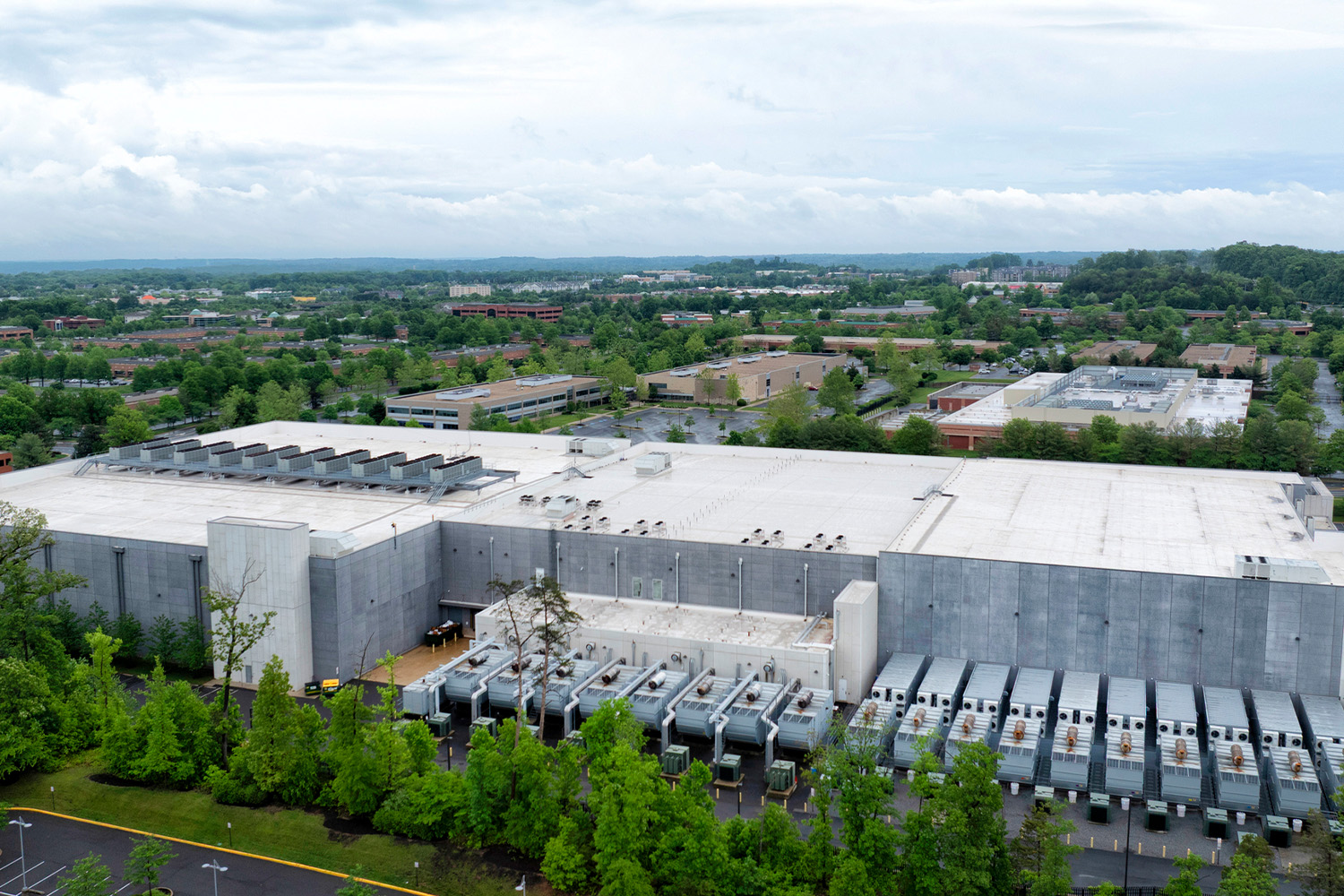
Stockton occupies a strategic position in California's data center geography as a cost-effective alternative to the California market with direct access to both the Silicon Valley technology ecosystem and the Sacramento region's growing digital economy. Amazon's major Stockton distribution and logistics campus - one of the company's largest fulfillment facilities on the West Coast - generates significant computing infrastructure requirements for the management of inventory, logistics, and workforce systems serving the California market. San Joaquin County's government IT infrastructure, consolidated to serve a growing Central Valley population, represents institutional computing that demands reliable building envelope protection. As California data center costs continue rising, Stockton's position as a Sacramento spillover market becomes increasingly valuable.
The Sacramento to Stockton corridor is emerging as an attractive location for California companies seeking disaster recovery and business continuity infrastructure at meaningful geographic separation from their primary Silicon Valley facilities. Data centers in this zone can achieve the sub-100-millisecond latency that most enterprise workloads require for synchronous replication, while providing distance protection against the localized impacts of a California earthquake or infrastructure event. This demand driver is generating new data center construction in the Stockton market at a pace that creates a growing need for qualified commercial roofing contractors with mission-critical expertise.
Stockton's Central Valley climate presents a specific set of roofing challenges. Summer heat in the San Joaquin Valley is intense, with temperatures frequently exceeding 105 degrees Fahrenheit - higher than most California coastal markets and significantly higher than the California. This heat loading on dark roof surfaces creates both high surface temperatures that accelerate membrane aging and a significant cooling burden on the building below. Cool roofing specifications are not optional in Stockton - they are both a practical energy management tool and a requirement under California's Title 24 energy code for most commercial building types.
The California Valley tule fog that blankets the San Joaquin Valley during winter months creates a sustained moisture exposure condition that affects roof assembly performance over time. While fog does not create the acute moisture loading of rainfall, persistent condensation on roof surfaces can drive moisture into insulation assemblies through inadequate vapor control details, and the combination of fog moisture and biological growth creates conditions that require attention in maintenance programs. Our specifications for Stockton facilities address fog-driven moisture risk through appropriate vapor control detailing and biological growth management provisions.
Amazon's Stockton logistics facilities represent some of the largest commercial buildings in the Central Valley, with roof areas that can span hundreds of thousands of square feet on individual structures. Roofing systems at this scale require precise logistical planning for material delivery, crew staging, and equipment positioning, and they benefit from mechanized installation approaches - automatic seaming machines, pneumatic fastening equipment, and large-format roll goods - that improve both installation speed and consistency. Our large-scale commercial roofing capability is matched to the scale of Amazon's Stockton facilities and the similarly sized logistics and industrial buildings that populate the Stockton port area.
The Port of Stockton's Deep Water Channel access makes it one of the most strategically positioned inland ports on the West Coast, and the logistics and distribution infrastructure surrounding the port generates computing requirements that are growing alongside the port's cargo volume. Port operations IT, customs and freight management systems, and the logistics company computing environments clustered near the port represent a diverse base of data center customers, each with building envelope requirements that our crews are equipped to address.
Seismic design requirements in San Joaquin County, while somewhat less demanding than in California counties, are still significant and must be addressed explicitly in roofing specifications for mission-critical facilities. The Delta region's soil conditions introduce liquefaction risk considerations that affect structural design assumptions, and roofing assemblies must accommodate any building movement that differential soil settlement or seismic events can produce. Our specifications include flexible flashing details and movement-accommodating attachment systems as standard provisions for Stockton data center projects.
The energy efficiency imperative in California is particularly acute for data center operators because of the state's high electricity rates and its aggressive decarbonization policies. Cool roofing is one component of a broader sustainability strategy that California data center operators are required to document and report under various state programs. Our TPO and PVC membrane systems exceed the Title 24 solar reflectance requirements and qualify for the relevant certification programs that data center operators need to maintain compliance with California's building energy regulations.
As Stockton's role as a California alternative market grows and Amazon's local investment continues to anchor the regional logistics economy, the demand for qualified commercial roofing services in the mission-critical and large industrial segments will expand. Our capabilities in both new construction and maintenance services for large-footprint commercial facilities make us the roofing partner of choice for data center owners and operators in the Stockton and broader San Joaquin Valley market.
Frequently Asked Questions: Data Center Roofing in Stockton
- What cool roofing requirements apply to new data center construction in Stockton?
- California's Title 24 Part 6 energy code requires minimum solar reflectance and thermal emittance values for low-slope roofing on commercial buildings in the San Joaquin Valley climate zone. New data center construction must demonstrate compliance with these requirements, and we specify membranes that meet or exceed the minimum values. For facilities seeking LEED or other green building certifications, we can provide membranes with elevated performance levels and the documentation needed for certification submittals.
- How do you address the tule fog moisture environment in roofing specifications for Stockton facilities?
- Tule fog creates persistent surface moisture on roof membranes during winter months, which can drive moisture into the assembly through inadequate vapor control or improperly detailed penetrations. We specify continuous vapor control layers, maintain consistent lap seal requirements across all membrane joints, and treat biological growth management as a year-round maintenance consideration. Drainage systems are kept clear to prevent water ponding that extends and deepens the fog moisture contact period.
- What are the challenges of roofing very large logistics and data center buildings in Stockton?
- Very large roof areas require particular attention to drainage system design to ensure that peak rainfall rates from the full catchment area can be discharged without creating overloading conditions. We also specify expansion joint locations to accommodate the thermal movement that develops across large roof spans, and we plan material delivery, staging, and installation sequences to maintain consistent quality across areas that may require several weeks or months to complete.
- How does Stockton's location in the California disaster recovery corridor affect data center roofing requirements?
- Disaster recovery facilities require roof assemblies with exceptional long-term reliability because they may go months or years between routine use but must be fully operational immediately when called upon. This argues for slightly more conservative specifications than a daily-use facility, including enhanced maintenance programs, more frequent inspection cycles, and proactive replacement of aging components before they approach end of service life. We develop maintenance plans specifically calibrated to the operational model of disaster recovery facilities.
- Do you provide compliance documentation for California's building energy code roofing requirements?
- Yes. Our project documentation package for California commercial projects includes Title 24 compliance documentation confirming that the specified roofing assembly meets or exceeds the applicable solar reflectance and thermal emittance requirements for the project's climate zone and building type. We also provide CEC-registered product data sheets for all installed materials as part of the closeout documentation package.
Questions Owners Ask
Commercial Real Estate and REITs FAQ
What is the realistic first step for commercial real estate and reits at an occupied Port of Stockton property?
We start with a roof walk, interior leak review, drain and edge check, and photos that show whether the owner group can be repaired, restored, recovered, or should move toward replacement.
How fast can you look at commercial real estate and reits after wind or heavy rain?
Active leaks and roof openings get priority. A full diagnosis for commercial real estate and reits is more accurate once conditions are safe enough to inspect seams, edges, drains, rooftop units, and interior leak paths.
Can commercial real estate and reits be handled without shutting down the building?
Most commercial roof work can be phased around operations when conditions allow. We plan access, noise, parking, material staging, interior protection, and daily dry-in before work starts.
What usually makes commercial real estate and reits more expensive than the first rough number?
Wet insulation, deck repair, poor access, missing overflow drainage, custom edge metal, after-hours work, Title 24 requirements, and many penetrations can change the final scope.
Will you document commercial real estate and reits for ownership, tenants, or insurance?
Yes. We provide practical photo records and scope notes for roof condition, completed work, remaining concerns, and next recommendations. For claims, the carrier still decides coverage.