Industries
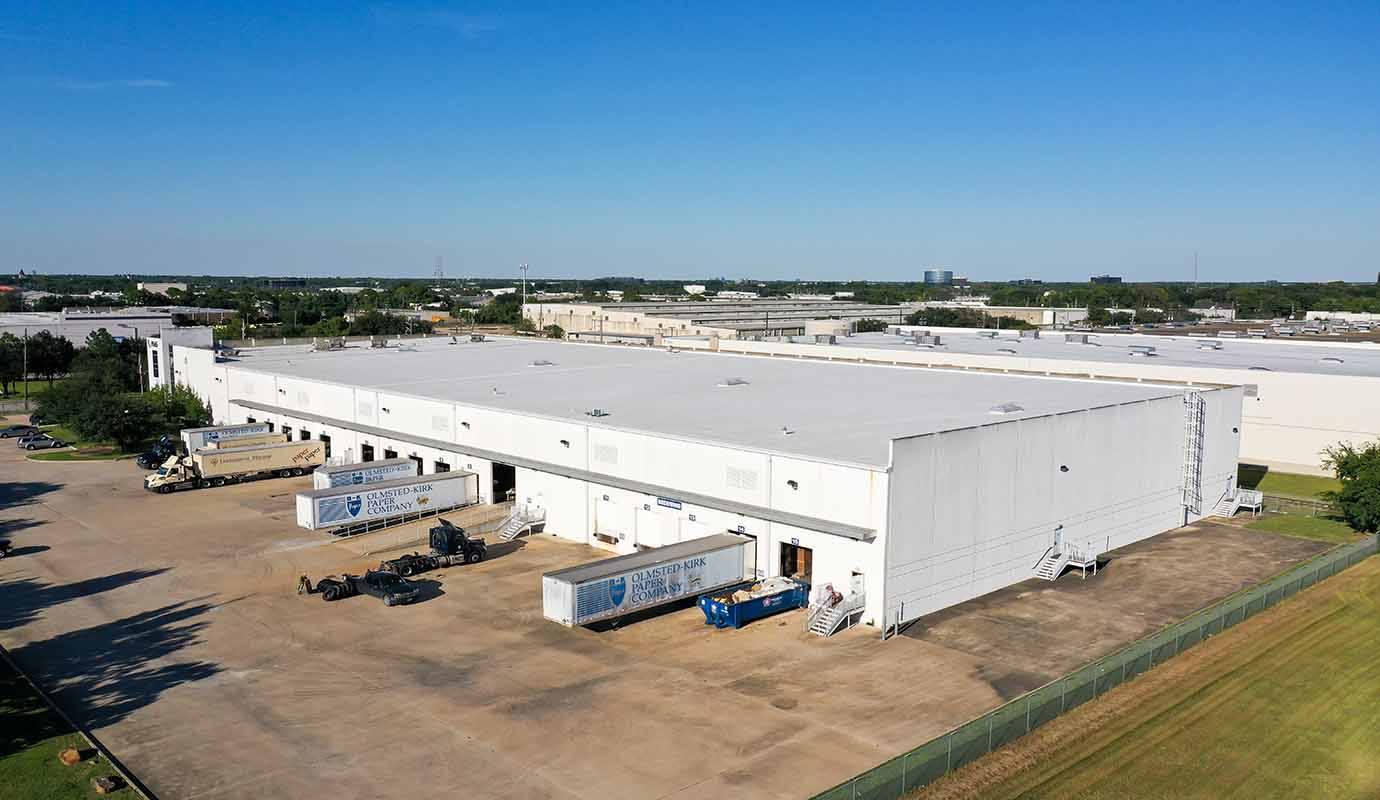
Stockton has transformed from a market historically associated with economic distress into one of the Central Valley's most active logistics and industrial real estate corridors, driven by its strategic position at the intersection of I-5 and I-205 connecting the California to the San Joaquin Valley and beyond. Prologis has made the Stockton-Tracy-Manteca industrial triangle a significant portfolio concentration, owning millions of square feet of cross-dock, bulk distribution, and fulfillment center product that serves as a critical inland logistics node for West Coast supply chains. For roofing contractors, Prologis's Stockton area portfolio represents access to some of the largest industrial rooftop areas in California's interior, with individual buildings regularly exceeding 500,000 square feet and representing single-project roofing contracts that can define a firm's annual revenue.
Multi-property preferred vendor programs at the Prologis scale in Stockton require contractors to meet institutional-grade qualification standards that go well beyond the requirements of typical commercial property owners. Prologis's global procurement processes evaluate insurance minimums, bonding capacity, safety record (including EMR scores), OSHA training certifications, and demonstrated experience with large-footprint industrial buildings before awarding preferred vendor status in any market. In Stockton specifically, Prologis also looks for contractors who understand California's unique regulatory environment - Title 24 compliance, CalOSHA requirements that differ from federal OSHA standards, and Stockton's local permitting processes - and who have established relationships with the local building department that expedite permit processing for time-sensitive maintenance projects.
California's Title 24 Energy Code applies with full force in Stockton, and the agricultural and logistics character of the Central Valley means that large industrial buildings with significant rooftop areas face meaningful cool-roof compliance costs on every re-roofing project. Unlike coastal markets where Title long enough to be routinely incorporated into maintenance budgets, some Stockton industrial owners who acquired properties before aggressive Title 24 enforcement are still absorbing the budget impact of full compliance retrofits. REIT asset managers building 10-year CAPEX models for Stockton industrial portfolios must confirm the Title 24 compliance status of every roofing assembly and budget for compliance upgrades on any building scheduled for re-roofing during the model period.
Stockton's climate creates a roofing performance environment that is distinct from both coastal California and the Mountain West markets that industrial investors often compare it to. The San Joaquin Valley experiences extreme summer heat - with Stockton regularly recording temperatures above 105 degrees Fahrenheit in July and August - combined with dense winter valley fog (the infamous Tule fog) that creates prolonged low-temperature moisture exposure from November through February. This combination of heat-driven membrane thermal stress in summer and cold-fog moisture exposure in winter creates a roofing performance environment where both UV degradation and moisture-related failures occur at rates that moderate-climate benchmarks underestimate. Prologis's Stockton asset management team accounts for these conditions in its preventive maintenance scheduling, conducting summer membrane inspections to assess heat-related seam fatigue and fall drainage clearing to prepare for the valley fog season.
Net operating income for Stockton industrial properties is directly tied to operational continuity for logistics tenants who operate 24/7 fulfillment and distribution facilities with no tolerance for unplanned roofing events that disrupt operations. Amazon, UPS, FedEx, and major third-party logistics providers who lease space in Prologis's Stockton portfolio have explicit performance standards in their lease agreements regarding building system reliability, and a roof failure that triggers a temporary facility shutdown creates not just repair costs and potential rent abatement exposure but the risk of losing a tenant whose operational requirements exceed what the building can reliably deliver. Prologis manages this risk through aggressive preventive maintenance and real-time roof monitoring on its highest-consequence logistics facilities.
Ten-year CAPEX planning for Stockton industrial roofing programs must address the interaction between building age, roof system type, and the valley's demanding thermal performance environment. Stockton's industrial building stock ranges from post-war metal-clad distribution centers in the older port area to recently constructed high-cube logistics facilities in the Airport District and Mariposa Road corridors. The newer buildings have Title 24-compliant cool-roof assemblies designed for the valley's thermal conditions, while older buildings may have dark-colored built-up or modified bitumen assemblies that are approaching end of effective life with significant thermal degradation. CAPEX models must treat these cohorts separately and reflect the substantially different replacement cost per square foot for code-compliant re-roofing on older buildings versus routine membrane refresh on compliant newer stock.
Property condition assessments prior to Stockton industrial acquisitions benefit significantly from local market knowledge. A PCA assessor who understands Stockton's Tule fog season will look specifically for moisture infiltration patterns that are characteristic of the valley's winter fog exposure - drain collar deterioration from extended cold-wet periods, parapet flashing failures where moisture has worked through lap joints during fog months, and insulation compression from standing water that was not apparent during summer-heat visual inspections. Assessors applying national PCA protocols without San Joaquin Valley climate knowledge miss these valley-specific failure patterns and produce cost estimates that under-represent the true remediation requirement on older Stockton industrial properties.
Investor reporting for Prologis's Stockton portfolio is embedded in the company's global sustainability and operational reporting frameworks, which include specific requirements for roofing-related ESG data. Cool-roof compliance status, rooftop solar readiness certification, and building energy use intensity benchmarks that are affected by roof thermal performance all feed into Prologis's GRESB scoring and CDP climate disclosure. For roofing contractors providing services to Prologis in Stockton, the expectation of ESG-compatible documentation - including environmental product declarations for proposed materials, recycled content certifications, and energy performance comparisons for proposed roofing assemblies versus existing conditions - is a pre-qualification requirement rather than an optional add-on. Contractors who have built ESG documentation capability into their standard service offering have a genuine competitive advantage in this market.
Stockton's commercial roofing market for Prologis and comparable industrial REIT owners is a high-volume, technically demanding segment that rewards contractors with genuine large-building industrial experience, California regulatory knowledge, and institutional documentation systems. The market's concentration in industrial logistics product means that individual roofing projects are large - easily $500,000 to $3 million for a single major re-roofing on a large fulfillment center - and the preferred vendor relationships that provide access to this work are won through demonstrated institutional capability rather than price competition. Roofing firms that invest in Title 24 expertise, CalOSHA compliance systems, large-crew project management capability, and ESG reporting infrastructure are the ones competing for Stockton's most valuable commercial roofing programs.
- How do REIT portfolio programs work for commercial roofing in Stockton?
- Prologis and comparable Stockton industrial REITs use global procurement processes to pre-qualify contractors on insurance, bonding capacity, EMR safety scores, and large-building industrial experience before awarding preferred vendor status. Qualified contractors receive multi-property work commitments with standardized pricing and CalOSHA-compliant safety protocols in exchange for consistent quality, documented response time performance, and ESG-compatible reporting.
- How does roof condition affect NOI on Stockton logistics properties?
- Logistics tenants operating 24/7 fulfillment and distribution facilities have zero tolerance for unplanned roofing events that disrupt operations, and lease agreements with major operators like Amazon include building system reliability standards that create liability exposure for landlords when roof failures trigger operational shutdowns. Prologis manages this risk through aggressive preventive maintenance and real-time moisture monitoring on its highest-consequence Stockton facilities.
- What should a 10-year CAPEX model for roofing include for a Stockton industrial portfolio?
- Models should treat older pre-Title 24 and newer compliant buildings as separate cost cohorts with different per-square-foot replacement cost assumptions, account for summer membrane thermal stress inspection cycles and fall drainage clearing for valley fog season preparation, and include cool-roof compliance upgrade costs on all non-compliant assemblies scheduled for re-roofing. ESG-driven solar-readiness certification and cool-roof documentation requirements should be reflected as portfolio-level compliance costs.
- What do PCAs identify on Stockton industrial rooftops before acquisitions close?
- Local PCAs flag Tule fog season moisture infiltration patterns including drain collar deterioration, parapet flashing lap joint failures from extended cold-wet periods, and insulation compression from ponding water not visible during summer inspections. They also identify Title 24 compliance status on existing assemblies and document any non-compliant dark-surface roofing that will require cool-roof upgrades at next replacement - a significant per-square-foot cost differential on large Stockton industrial buildings.
- Why do Stockton industrial REITs prioritize MSAs over per-project bidding?
- California's permitting timelines, CalOSHA safety requirements, and Title 24 compliance review add weeks to project lead times relative to non-California markets, making per-project contractor sourcing too slow for time-sensitive maintenance needs. MSAs establish pre-qualified contractor relationships with locked pricing, pre-approved safety plans, and agreed compliance frameworks that allow Stockton projects to move efficiently within California's regulatory environment.
Questions Owners Ask
Commercial Real Estate and REITs FAQ
What is the realistic first step for commercial real estate and reits at an occupied Port of Stockton property?
We start with a roof walk, interior leak review, drain and edge check, and photos that show whether the owner group can be repaired, restored, recovered, or should move toward replacement.
How fast can you look at commercial real estate and reits after wind or heavy rain?
Active leaks and roof openings get priority. A full diagnosis for commercial real estate and reits is more accurate once conditions are safe enough to inspect seams, edges, drains, rooftop units, and interior leak paths.
Can commercial real estate and reits be handled without shutting down the building?
Most commercial roof work can be phased around operations when conditions allow. We plan access, noise, parking, material staging, interior protection, and daily dry-in before work starts.
What usually makes commercial real estate and reits more expensive than the first rough number?
Wet insulation, deck repair, poor access, missing overflow drainage, custom edge metal, after-hours work, Title 24 requirements, and many penetrations can change the final scope.
Will you document commercial real estate and reits for ownership, tenants, or insurance?
Yes. We provide practical photo records and scope notes for roof condition, completed work, remaining concerns, and next recommendations. For claims, the carrier still decides coverage.