
Services
There are two kinds of commercial roofs in Stockton: the ones a roofer sees on a schedule, and the ones a roofer meets for the first time during a January downpour. A roof service agreement moves your building permanently into the first group. It is a standing arrangement - two scheduled rooftop visits a year, each with its own job, each ending in a photographed report. Owners should know exactly what they are buying before they sign anything, so here is what actually happens on each visit.
The Fall Visit: Before the Rain Shows Up
The first visit is timed for October, ahead of the storm fronts the Valley catches from November into March. It is drainage day. Every drain, scupper, and gutter is opened and flow-tested, and a summer's worth of wind-blown debris comes off the field of the roof. Then the crew works the details: parapet caps, edge metal, and the flashing at every curb and penetration, reseating and resealing whatever the heat lifted. Areas that ponded last season get checked against the drains that serve them. A retail roof off March Lane or a warehouse deck near the Port rarely fails during the storm itself - it fails in the weeks before, when nobody cleared what the wind dropped into the scuppers.
The Spring Visit: After the Water, Before the Heat
The second visit runs in April or May, when the membrane is dry and the evidence is fresh. The crew reads what the wet months did - laps that wicked water, blisters that came up, sealant joints that opened, fastener heads telegraphing through the surface - and fixes the small items on the spot rather than writing them up for a second truck. Then the roof gets prepared for the other half of the Valley year: a long triple-digit stretch that flexes every seam through a daily expansion cycle. Tired sealants are topped off, and where the surface is chalking we will tell you honestly whether a coating would buy real years or just spend your money.
Every Visit Ends the Same Way
Within two business days you get the report: photos of the full roof, a list of what was corrected during the visit, and whatever remains goes on a short list, ranked and priced, so it can be approved in one reading. File two or three of these reports back to back and you own something most building owners never have: a documented condition history. That history satisfies the inspection requirements written into most manufacturer warranties, and it tells you with real evidence how many years the roof has left, which turns replacement into a budgeted project instead of an ambush.
What the Agreement Itself Covers
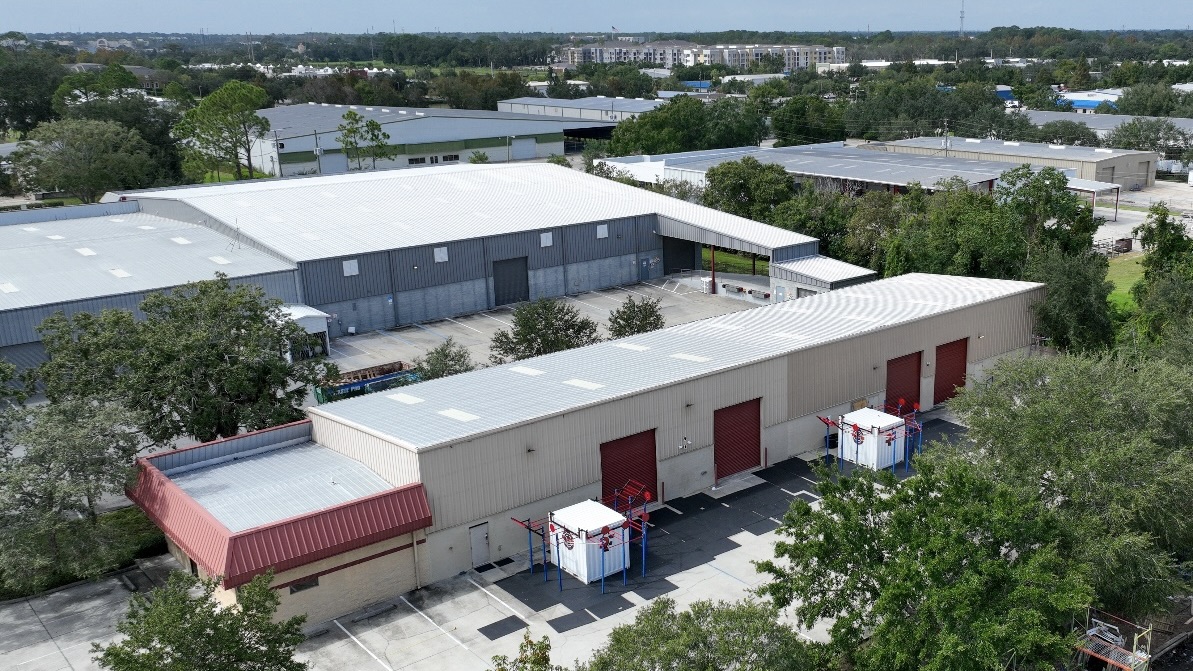
One flat annual price covers both scheduled visits, drain and gutter clearing, the minor repairs performed on the spot, and the reporting. If something does let go between visits - a wind-torn cap, a sudden interior drip - agreement holders get first position on the dispatch board, and the crew arrives already knowing the roof's layout, access, and material. The agreement fits any of the building stock we service along the CA-99 and I-5 corridors: distribution and logistics, food and ag processing, offices, and multi-tenant retail.
Start With a Roof Walk
Pricing takes one walk. We look at the membrane, count the penetrations and drains, note access, and send a flat annual number for the agreement. Call 209-231-7309 or use the contact form and we will schedule the walk this week.
Visit Schedule Questions
When exactly do the two visits happen each year?
The fall visit lands in October before the first serious rain; the spring visit runs in April or May once the roof has dried out. Within those windows we set dates around your operation - and if a big weather system moves the calendar, we move with it rather than skipping.
What if the roof already has problems when the agreement starts?
The first walk establishes a baseline. Anything already failing is documented and quoted as catch-up work separate from the agreement, so the annual price stays clean. Once the backlog is cleared, the roof rides the normal two-visit rhythm.
Do the visits differ for TPO, built-up, or metal roofs?
The calendar is the same; the checklist changes. Single-ply visits concentrate on seams, laps, and membrane repairs; built-up roofs get attention at flashings and surfacing; metal roofs get fastener, seam, and panel-lap checks plus rust spotting. The agreement is written to the system on your building.
How long is the crew on the roof during a visit?
A mid-size single-tenant building is typically a half day. Large distribution roofs can take a full day, mostly in drainage work and seam inspection. The crew works entirely from the roof - no interior access, no disruption to whatever is happening below.